Schwarzhuber
The Tattooist of AuschwitzSchwarzhuber is the head of Birkenau, an imposing SS commandant whose rare appearances in the camp mark moments of extreme violence and degradation. He is the man who sexually assaults Cilka, the authority who presides over the prisoner–SS football match, and a figure whose dead-eyed cruelty embodies the moral emptiness of the Nazi regime.
Identity and Position
Schwarzhuber is described as an imposing man, rarely seen in the camp. He is the head of Birkenau, a position that places him at the apex of the camp's hierarchy, above the everyday SS officers and guards who carry out the routine brutality of the camp. His authority is such that when he appears, even senior SS officers defer to him. He is a man whose presence is felt through the fear he instills rather than through frequent appearances, and his rare interventions in the camp's life are marked by a chilling, almost theatrical cruelty.
The Assault on Cilka
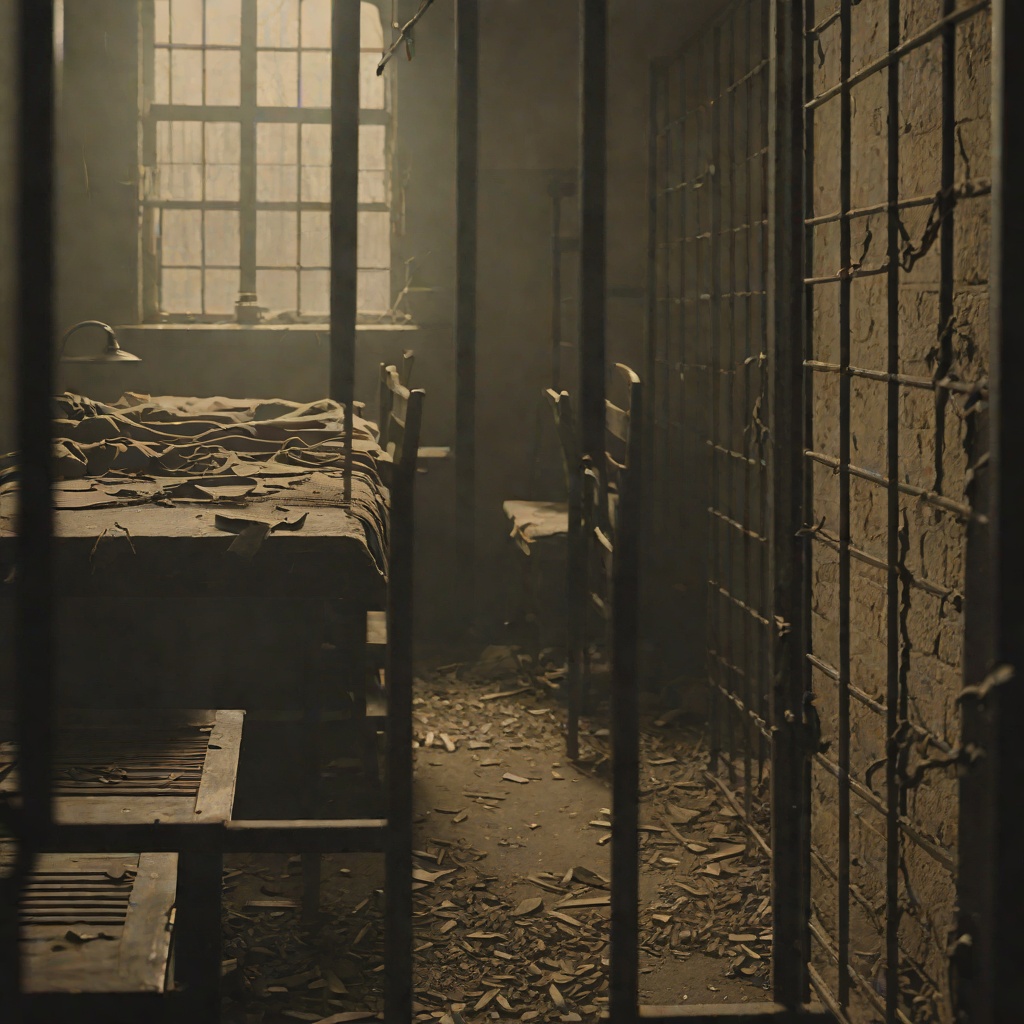
Schwarzhuber's most direct and horrifying appearance comes when Cilka is dragged from her desk in the administration building by two SS officers and thrown into a room dominated by a large four-poster bed. Schwarzhuber sits in a chair, tapping his tall leather boot with his swagger stick, staring at a space above Cilka's head from an expressionless face. When Cilka backs against the door and reaches for the handle, he hurls the swagger stick across the room, striking her hand and sending her sliding to the floor in pain. He then stands over her, his nostrils distending, breathing heavily, and uses the stick to push up her shirt. Realizing what is expected, Cilka undoes the top two buttons of her shirt with shaking hands. Schwarzhuber places the stick under her chin and forces her to rise, dwarfing her. His eyes seem to see nothing; he is described as a man whose soul has died and whose body is waiting to catch up with it. He holds out both arms, and Cilka interprets this as a command to undress him. When she is too slow, a whack across her back with the stick hurries her up. He is forced to drop the stick so she can slide his jacket off, and she kneels to pull his trousers down to his ankles, unable to get them over his boots. The scene is a stark depiction of the absolute power Schwarzhuber wields over the prisoners, and the complete dehumanization that power enables.
Authority at the Football Match
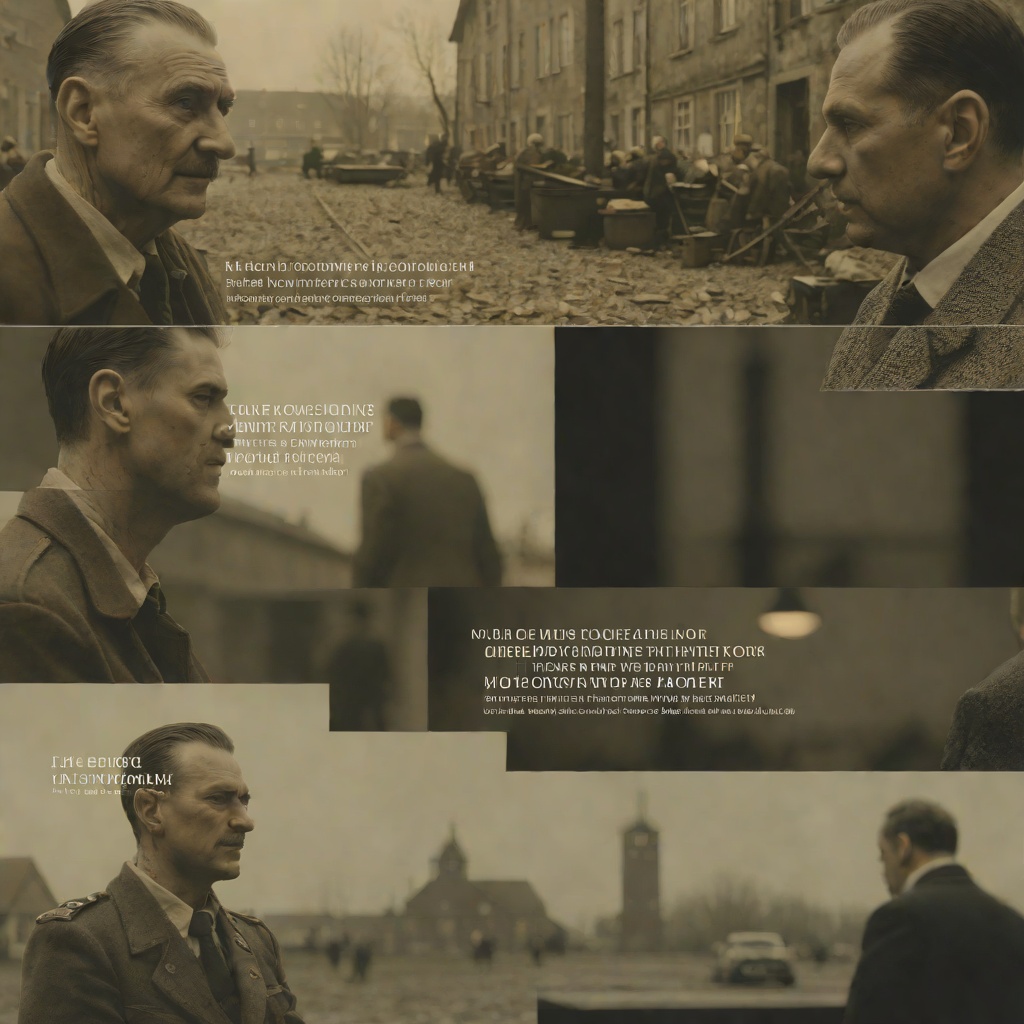
Schwarzhuber's authority is also on display at the prisoner–SS football match, where he appears heavily guarded alongside Lale's boss, Houstek. It is Schwarzhuber who is introduced to Lale, the captain of the prisoner team, as "the Tätowierer." His response is to turn to one of his guards and ask, "Do we have something we can play for?" This casual question, posed in the midst of a camp where prisoners are routinely murdered, reveals his detached, almost bored attitude toward the lives and dignity of those under his command. The match itself is a grotesque spectacle, a moment of apparent normalcy that is entirely controlled by the SS, and Schwarzhuber's presence at its center underscores his role as the ultimate arbiter of even the prisoners' fleeting moments of respite.
The Dead-Eyed Commandant
The description of Schwarzhuber as a man whose soul has died and whose body is waiting to catch up with it is a powerful encapsulation of his character. He is not a sadist who takes pleasure in cruelty, but a man who has become utterly hollow, his humanity eroded by the machinery of the camp he commands. His eyes seem to see nothing, and his actions are mechanical, devoid of any emotional engagement. This dead-eyed quality makes him all the more terrifying, as it suggests a cruelty that is not passionate but routine, not impulsive but systematic. He is the embodiment of the Nazi regime's capacity to reduce both its victims and its perpetrators to something less than human.
Narrative Significance
Schwarzhuber's role in the narrative is to represent the highest echelons of the camp's power structure, the point at which the SS's authority becomes absolute and impersonal. His rare appearances are moments of intense narrative focus, whether in the private horror of Cilka's assault or the public spectacle of the football match. He is a figure of pure, unrelenting power, and his presence serves to remind the reader of the vast, inhuman system that Lale, Gita, and the other prisoners must navigate to survive. His dead-eyed cruelty stands in stark contrast to the desperate humanity of the prisoners, and his actions, particularly against Cilka, are among the most harrowing depictions of the camp's brutality.